Posts

Showing posts with the label Holy Week

What Happened on Easter Sunday? Why the Resurrection of Jesus Matters

Easter Sunday stands at the heart of Christianity because it celebrates the resurrection of Jesus from the dead. Many people ask what happened on Easter Sunday and why it matters so much. It matters because the resurrection is the foundation of Christian hope. Without it, the cross would remain a tragedy. With it, the cross becomes victory. The first sign of the resurrection was the empty tomb. Early on the first day of the week, women who followed Jesus went to the tomb and found the stone rolled away. Angels declared that Jesus had risen. This was not presented as a symbol or a comforting idea. It was presented as an event. The resurrection did not rest on the empty tomb alone. Jesus appeared to His followers. He appeared to Mary Magdalene. He appeared to the disciples. He spoke with them, and they recognized Him. These appearances changed everything. Fear turned into courage. Despair turned into proclamation. Why is this so important? Because the resurrection confirms who Jesus is. ...

What Happened on Holy Saturday? Meaning of Jesus in the Tomb

Holy Saturday is the quietest day of Holy Week, yet it has deep meaning. Many people ask what happened on Holy Saturday and why it matters. It is the day between the crucifixion and the resurrection, when the body of Jesus lay in the tomb and His followers waited in sorrow and confusion. The Gospels make clear that Jesus truly died. His body was taken down from the cross, wrapped, and placed in a tomb. This matters because it answers the idea that He only appeared to die. Holy Saturday confirms the full reality of His death. He entered fully into human mortality. This day is marked by silence. There are no public miracles, no speeches, and no open victory yet. For the disciples, it must have felt like the end. Their hopes seemed buried with Him. That is what makes Holy Saturday so powerful. It reflects the human experience of waiting, grief, and uncertainty. Yet Holy Saturday is not empty. It stands between sacrifice and victory. It reminds believers that the silence of God is not the ...

Why Is Good Friday Called Good?

Many people ask why Good Friday is called good if it marks the suffering and death of Jesus. It is a fair question. On the surface, there seems to be nothing good about betrayal, injustice, torture, and crucifixion. But the name does not refer to the pain itself. It refers to what was accomplished through it. Good Friday is the day Jesus was crucified. He was arrested, falsely accused, mocked, beaten, and nailed to the cross. From a human point of view, this looks like complete failure. An innocent man dies in public humiliation. If the story ended there, the word “good” would make no sense. But the death of Jesus was not meaningless. He accepted it willingly. He had already spoken about laying down His life. The cross was not a tragic accident. It was part of His mission. Why was it necessary? Because sin is real, and human beings cannot fix the problem by themselves. The cross shows the seriousness of that problem. It also shows the depth of divine love. Jesus bore what humanity coul...

What Happened on Good Friday? The Crucifixion of Jesus Explained

Good Friday is the day Christians remember the crucifixion and death of Jesus. Many people ask what happened on Good Friday and why it matters so much. It matters because the cross stands at the center of the Christian faith. Without it, there is no redemption, no forgiveness, and no Easter message. Jesus was arrested after the events of Holy Thursday, falsely accused, tried unjustly, and condemned to death. He was mocked, beaten, crowned with thorns, and forced to carry His cross to Golgotha. There He was crucified between criminals. This was one of the most brutal forms of execution in the ancient world. Yet Good Friday is not just a story of suffering. It is the story of purpose. Jesus did not die as a helpless victim trapped by events. He accepted the cross willingly. Even in agony, He prayed for those who crucified Him and showed mercy to the repentant thief beside Him. The death of Jesus matters because it deals with the reality of sin. Humanity could not repair its broken relati...

What Happened on Holy Thursday? Meaning of the Last Supper Explained

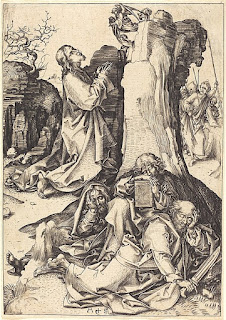
Holy Thursday, also called Maundy Thursday, begins the most solemn part of Holy Week. Many people ask what happened on Holy Thursday and why it matters. This day remembers the Last Supper, the institution of the Eucharist, the washing of the disciples’ feet, the command to love one another, and the agony of Jesus in Gethsemane. At the Last Supper, Jesus took bread and wine and gave them to His disciples as His body and blood. This was not just a farewell meal. It became central to Christian worship and pointed directly to the sacrifice that would take place on Good Friday. Holy Thursday therefore cannot be separated from the cross. Another key event is the washing of the disciples’ feet. Jesus, their Lord and Teacher, took the place of a servant. This act showed that true greatness is not found in status or power, but in humble service. He did not merely teach humility. He demonstrated it. Jesus also gave a new commandment, to love one another as He had loved them. This love is not sha...

What Happened on Holy Wednesday? Judas Betrayal and Its Meaning

Holy Wednesday, often called Spy Wednesday, marks a turning point in Holy Week. Many people ask what happened on Holy Wednesday and why it matters. The main event remembered on this day is the agreement of Judas Iscariot to betray Jesus. This act set in motion the final steps toward the arrest and crucifixion. According to the Gospels, Judas went to the chief priests and agreed to hand Jesus over for thirty pieces of silver. This was not a moment of confusion or weakness. It was a deliberate decision. Judas had walked with Jesus, heard His teaching, and witnessed His works. Yet he chose betrayal. This shows that being close to truth does not guarantee acceptance of it. Holy Wednesday also remembers the anointing at Bethany. A woman, identified in John’s Gospel as Mary, poured expensive perfume on Jesus. Some criticized the act, but Jesus defended her. He said she had prepared Him for burial. This moment stands in sharp contrast to Judas. One responded with devotion and sacrifice. The o...

What Happened on Holy Tuesday? Teachings and Parables of Jesus Explained

Holy Tuesday is the third day of Holy Week and is filled with the teachings of Jesus. Many people ask what happened on Holy Tuesday and why it matters. This day matters because Jesus openly confronted religious hypocrisy, taught powerful parables, and spoke about judgment, readiness, and faithfulness. One important event on Holy Tuesday is the questioning of the authority of Jesus by the chief priests and elders. They wanted to trap Him, not understand Him. Jesus responded in a way that exposed their dishonesty. This moment showed that their problem was not lack of evidence, but unwillingness to accept the truth. Jesus also taught several important parables. In the parable of the two sons, He showed that what matters is not empty words but real obedience. In the parable of the tenants, He showed how God’s messengers had been rejected, and how even the Son would be rejected. In the parable of the wedding banquet, He spoke about the invitation of God’s kingdom and the need to respond rig...

What Happened on Holy Monday? Meaning of the Fig Tree and Temple Cleansing

Holy Monday is the second day of Holy Week and is remembered for two striking actions of Jesus: the cursing of the fig tree and the cleansing of the Temple. Many people ask what happened on Holy Monday and why these events matter. They matter because both actions reveal the authority of Jesus and expose the emptiness of false religion. On the way to Jerusalem, Jesus saw a fig tree full of leaves but with no fruit. He cursed it, and later it withered. At first, this may sound harsh, but the point was not the tree itself. It was a lesson. The tree looked healthy on the outside but had no fruit. It became a picture of outward religion without true faith, obedience, or repentance. Jesus then entered the Temple and drove out those who were buying and selling. He overturned tables and declared that the house of God was meant to be a house of prayer, not a den of robbers. This was not anger without reason. It was a direct challenge to corruption in worship. The Temple had become a place where...

What Was Triumphal About the Entry of Jesus into Jerusalem? The Answer Comes Three Days Later

What was triumphal about the entry of Jesus into Jerusalem? This is a serious question. When the event is examined closely, nothing about it appears triumphant in the usual sense. There was no army, no display of power, no political victory. Jesus entered the city riding on a donkey, not on a war horse. Within days, everything would collapse. One of His own disciples would betray Him. Another would deny Him. The rest would abandon Him. He would be arrested, falsely accused, beaten, mocked, crowned with thorns, and crucified in public humiliation. If this is triumph, it does not look like it. From a human point of view, this appears to be failure. The entry into Jerusalem seems like the beginning of the end. The crowd that welcomed Him would not stand with Him. The authority He appeared to have would not prevent His suffering. Everything that followed seems to contradict the idea of victory. This raises an important question. Why do Christians call it the Triumphal Entry? The answer wou...

What Is the Triumphal Entry of Jesus?

The Triumphal Entry of Jesus into Jerusalem is one of the best-known events in the Gospels, but many people still ask what it means and why it is called triumphal. This event, remembered on Palm Sunday, marks the beginning of Holy Week and the final public entry of Jesus before His crucifixion. Jesus entered Jerusalem riding on a donkey. This was not accidental. It fulfilled prophecy and revealed the kind of king He was. He did not come like a military ruler on a horse. He came in humility and peace. The crowd welcomed Him with palm branches and cries of “Hosanna” and “Blessed is He who comes in the name of the Lord.” At first, the scene looks triumphant. There is celebration, recognition, and public praise. Yet the days that followed seem to tell a different story. Jesus would soon be betrayed, denied, abandoned, mocked, beaten, and crucified. That is why the Triumphal Entry must be understood in the light of the full story. The triumph is not in the outward appearance of the moment. ...

What Is Palm Sunday and Why Is It Important?

Palm Sunday marks the beginning of Holy Week and remembers the entry of Jesus into Jerusalem. Many people ask what Palm Sunday is and why it matters. It matters because this was not just a joyful welcome. It was the beginning of the final week that would lead to the cross and the resurrection. The Gospels record that Jesus entered Jerusalem riding on a donkey. This fulfilled prophecy and showed what kind of king He was. He did not arrive on a horse like a military ruler. He came in humility and peace. The crowd spread cloaks and palm branches on the road and shouted, “Hosanna” and “Blessed is He who comes in the name of the Lord.” They were welcoming Him as king, but many misunderstood His mission. They expected political power and immediate change. Jesus came for something far greater. He came to face sin, suffering, and death itself. That is why Palm Sunday is both joyful and serious. It begins with public praise but moves quickly toward betrayal and crucifixion. Palm Sunday also rev...

What Happened on Palm Sunday? The Triumphal Entry of Jesus Explained

Palm Sunday, also called Holy Sunday by some, marks the beginning of Holy Week and remembers the entry of Jesus into Jerusalem. Many people ask what happened on Palm Sunday and why it is important. The answer is found in the Gospels, which describe a public moment that looked like triumph but carried a deeper meaning. Jesus entered Jerusalem riding on a donkey. This was not or incidental. It fulfilled prophecy and revealed the kind of king He was. He did not come on a horse as a conquering ruler. He came in humility and peace. As He entered the city, crowds gathered, spread their cloaks and palm branches on the road, and shouted, “Hosanna” and “Blessed is He who comes in the name of the Lord.” They recognized Him as the promised Messiah, yet many did not understand what that truly meant. At first, everything looked like victory. There was public recognition, celebration, and hope. But within days, the same city would see betrayal, denial, abandonment, and crucifixion. This raises an im...

What Happens During Holy Week? A Simple Day-by-Day Biblical Explanation

Holy Week is the most important week in Christianity because it remembers the final days of Jesus, His crucifixion, and His resurrection. Many people ask what happens during Holy Week and why it matters. The answer is simple. Holy Week takes believers from Palm Sunday to Easter Sunday, showing how the mission of Jesus reached its fulfillment. It begins on Palm Sunday, when Jesus entered Jerusalem riding on a donkey. The crowd welcomed Him with palm branches and shouts of Hosanna. This looked like a public victory, yet the week would soon turn toward betrayal and suffering. On Holy Monday, Jesus cleansed the Temple and cursed the fig tree, showing His authority and exposing false religion. On Holy Tuesday, He taught openly in the Temple, answered challenges from religious leaders, and gave parables and warnings about faithfulness and judgment. Holy Wednesday is often remembered for the betrayal of Judas, who agreed to hand Jesus over for thirty pieces of silver. On Holy Thursday, Jesus ...

Why Does the Date of Easter Change Every Year?

The date of Easter changes every year because it is not tied to a fixed calendar date. Instead, it is determined using a method that combines the solar year, the lunar cycle, and early Christian tradition. This approach was established to reflect the historical timing of the resurrection of Jesus Christ while maintaining consistency across the Christian world. Easter is connected to the Jewish Passover, which follows a lunar calendar. According to the New Testament, the crucifixion and resurrection of Jesus took place during the Passover period. Because Passover is based on the cycles of the moon rather than the solar year, its date changes annually. Early Christians initially celebrated Easter around the same time as Passover, but this led to variations in observance across different regions. To resolve this, Church leaders met at the First Council of Nicaea in AD 325. There, a standard method was agreed upon. Easter would be celebrated on the first Sunday after the first full moon fo...

Easter Sunday: The Resurrection of Jesus Christ

Image
Easter Sunday stands at the heart of the Christian faith, celebrating the resurrection of Jesus Christ from the dead. This pivotal event, foretold by the prophets and promised by Christ Himself, is the cornerstone of Christian belief, underscoring the victory over sin and death and the hope of eternal life for all who believe. The accounts of the resurrection are found in all four Gospels (Matthew 28:1-10, Mark 16:1-8, Luke 24:1-12, John 20:1-18), each providing unique details that enrich the understanding of this miraculous event. Easter Sunday stands at the heart of the Christian faith, celebrating the resurrection of Jesus Christ from the dead. Easter Sunday calls believers to live in the reality of the resurrection, embracing the new life offered through Christ. Source . The Empty Tomb The discovery of the empty tomb by the women who followed Jesus is the first sign of His resurrection. Mary Magdalene, Mary the mother of James, and Salome went to the tomb early on the first day of...

Holy Saturday and its Significance

Image
Holy Saturday occupies a unique and contemplative space in the Christian liturgical calendar, marking the interval between the crucifixion and resurrection of Jesus Christ . It is a day of silent reflection, mourning, and anticipation, as the faithful remember Jesus' body lying in the tomb and await the joy of Easter Sunday. Holy Saturday invites believers into a deep meditation on themes of waiting, hope, and the profound mystery of God's salvific plan. Holy Saturday is a day of silent reflection, mourning, and anticipation, as the faithful remember Jesus' body lying in the tomb and await the joy of Easter Sunday. Source .  Theological Significance Holy Saturday commemorates the day Jesus' body rested in the tomb following His crucifixion, as described in the Gospels (Matthew 27:57-66, Mark 15:42-47, Luke 23:50-56, John 19:38-42). This day underscores the reality of Jesus' death, affirming His full participation in human mortality and His definitive sacrifice for t...

Good Friday Weather Prediction: Faith or Superstition

Image
Insomnia and Inspiration It is 2 am on Monday, March 25, 2024, here in Brisbane, Australia. Sleep eludes me, as it does for many who find themselves wide awake at this hour. My years spent in the world of biomedical research have long since accustomed me to nights without sleep. Tonight, my restless mind turns to the significance of the week ahead—it is Holy Week, a pivotal time in Christianity. I am mulling over what topic I should explore next on my blog, and I have decided to share a prediction. After Jesus was crucified, the earth trembled, and darkness fell across the land. The earth shook, the rocks split and the tombs broke open... From noon until three in the afternoon darkness came over all the land.' (Matthew 27:50-51, 27:45) A Prediction of Faith I predict that this coming Friday, March 29, 2024, which is Good Friday, there will be rain and overcast skies. It is likely to happen around noon to 3 pm, though the exact timing is not crucial—the essence is, I will witness on...

Good Friday: The Crucifixion of Jesus

Image
Good Friday holds a central place in the Christian liturgical calendar as the day commemorating the crucifixion and death of Jesus Christ. It is a day of solemn reflection, mourning, and gratitude for the ultimate sacrifice of love made by Jesus for the salvation of humanity. The events of Good Friday, as described in the Gospels ( Matthew 27:32-56, Mark 15:21-41, Luke 23:26-49, John 19:16-37), invite believers to meditate on the depth of Christ's suffering and the profound mystery of the cross. Good Friday invites believers to stand at the foot of the cross, to contemplate the sacrifice of Christ, and to embrace the paradox of the cross: through death comes life, through surrender comes victory. Source . The Path to Golgotha Good Friday begins with Jesus' journey to Golgotha, "the place of the skull," where He was crucified between two thieves. This journey followed a night and morning of betrayal, false accusations, unjust trials, and brutal scourging. Despite Hi...

Holy Thursday and its Significance

Image
Holy Thursday, also known as Maundy Thursday, occupies a place of great significance in the Christian liturgical year, marking the commencement of the sacred Paschal Triduum—the three holy days leading up to Easter Sunday. This day commemorates the Last Supper of Jesus Christ with His apostles, where He instituted the sacrament of the Holy Eucharist and the priesthood, and gave the new commandment of love. Holy Thursday is a profound celebration of love, service, and sacrifice, capturing the essence of Christ’s mission and ministry. Holy Thursday is marked by significant events such as the Last Supper, the Institution of the Eucharist, the Washing of the Disciples' Feet, the New Commandment, the Agony in the Garden, and the preparation for Good Friday. Source .  The Last Supper and the Institution of the Eucharist The Last Supper, detailed in the Synoptic Gospels ( Matthew 26:26-28, Mark 14:22-24, Luke 22:19-20) and 1 Corinthians 11:23-25, is the focal point of Holy Thursday. D...

Holy Wednesday and its Significance

Image
Holy Wednesday, also known as Spy Wednesday in the Christian liturgical calendar, marks the midpoint of Holy Week and precedes the solemn days commemorating the passion, death, and resurrection of Jesus Christ. The significance of Holy Wednesday is that it is particularly remembered for the betrayal of Jesus by Judas Iscariot, an event that set in motion the sequence of events leading to the crucifixion. Through the narratives surrounding this day, themes of betrayal, forgiveness, and divine providence are explored, offering profound insights into the human condition and God's redemptive plan. Holy Wednesday is marked by significant events like Judas agreeing to betray Jesus, anointing at Bethany, and preparation for the Paschal Triduum. Source .  Judas Iscariot Agrees to Betray Jesus The central event of Holy Wednesday is Judas Iscariot's agreement to betray Jesus to the chief priests. For thirty pieces of silver, Judas conspired to deliver Jesus into their hands, fulfilling ...